


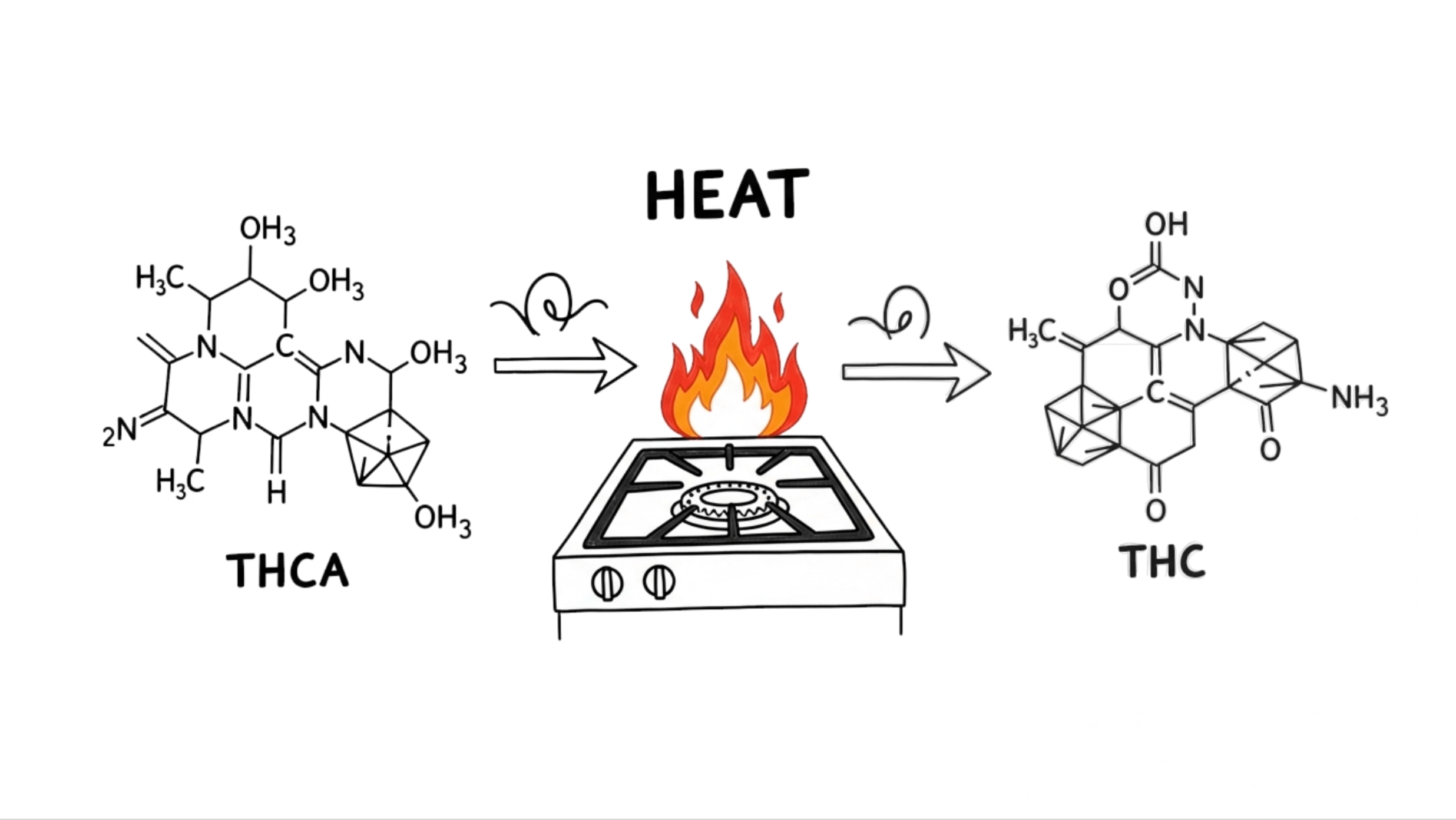
What is THCa and What Makes It Different from THC?
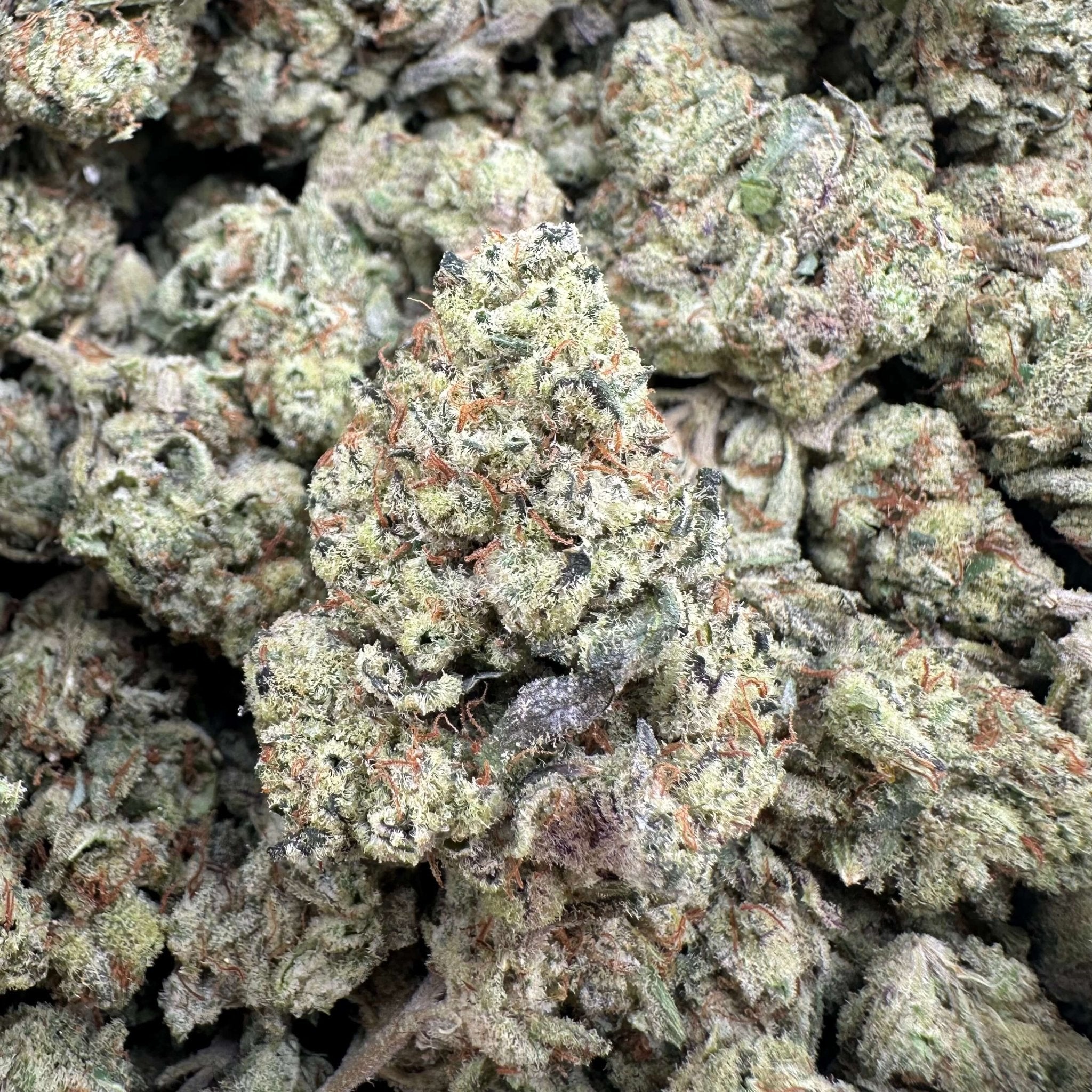
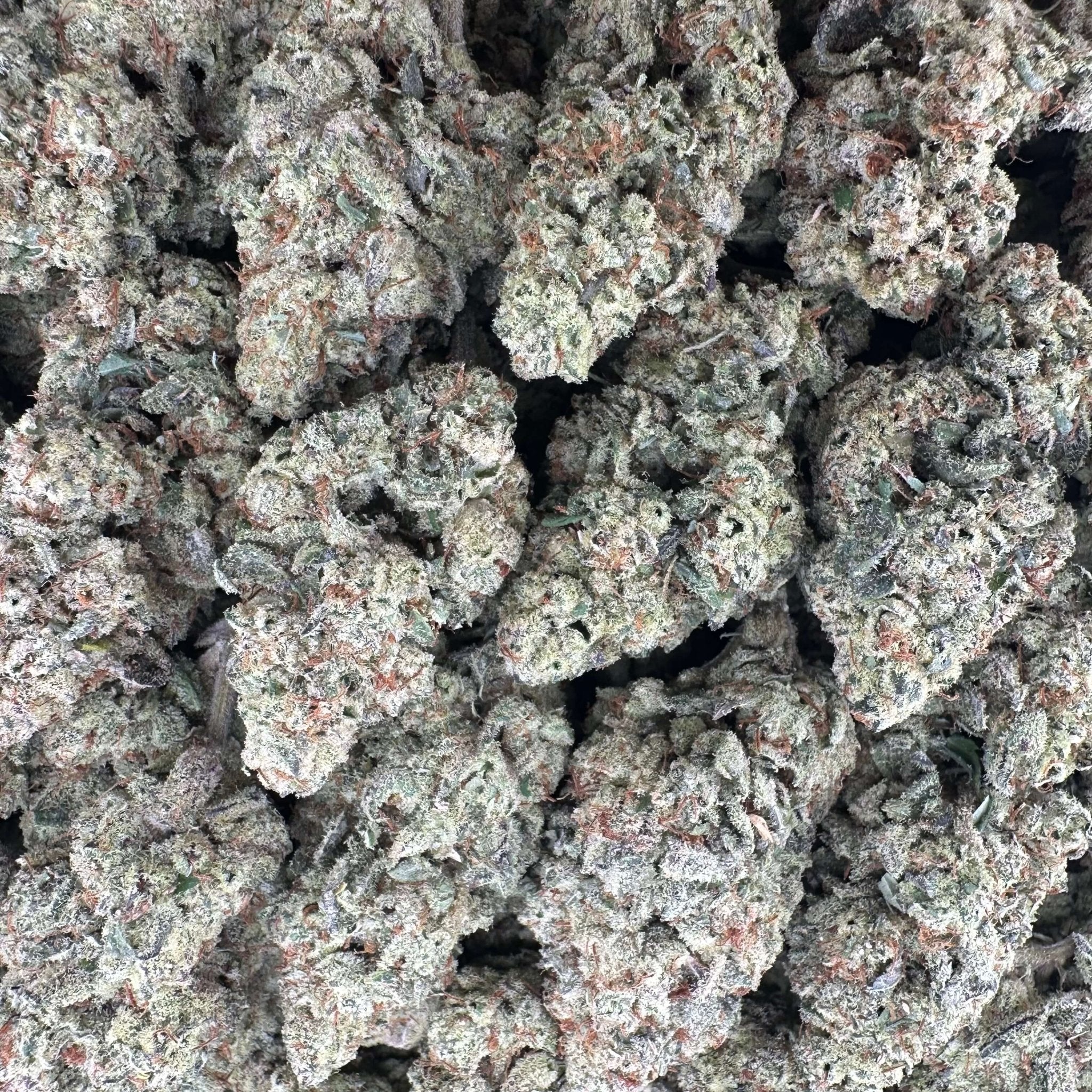
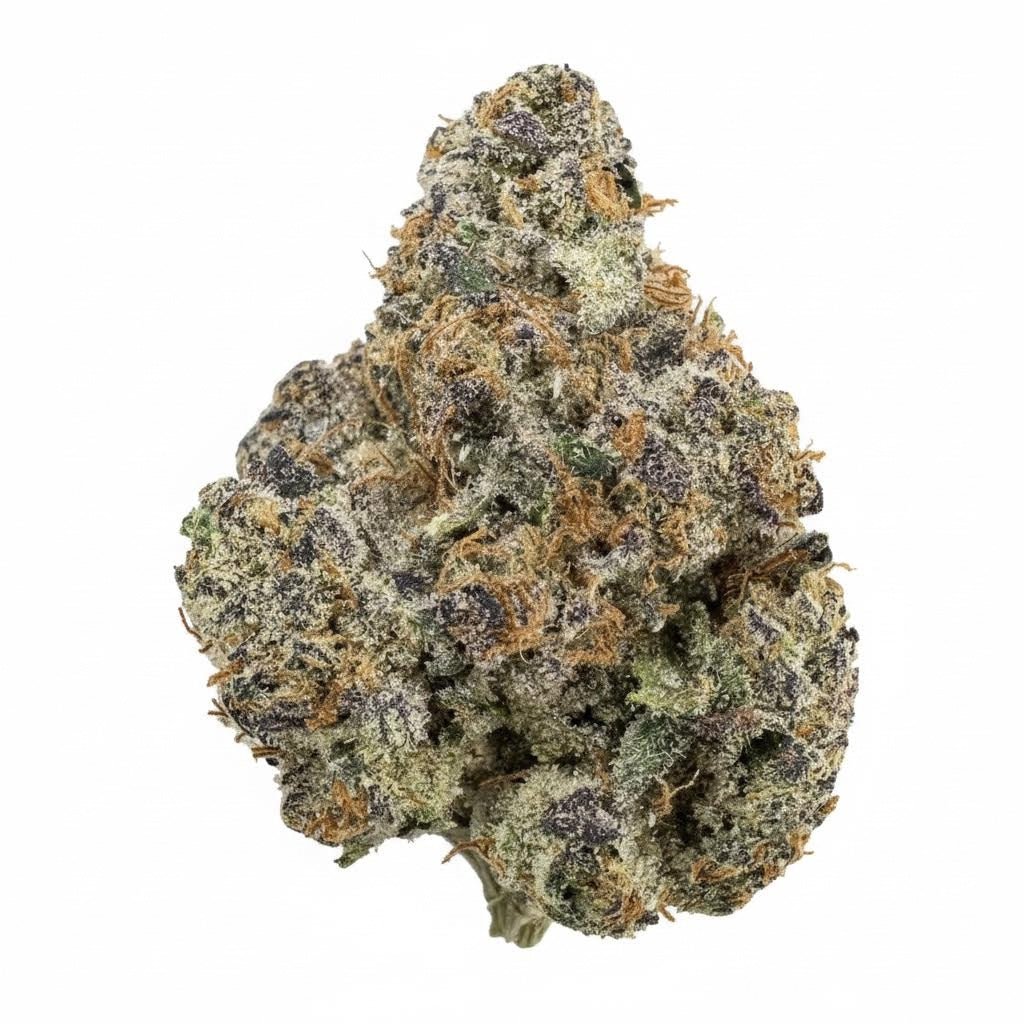
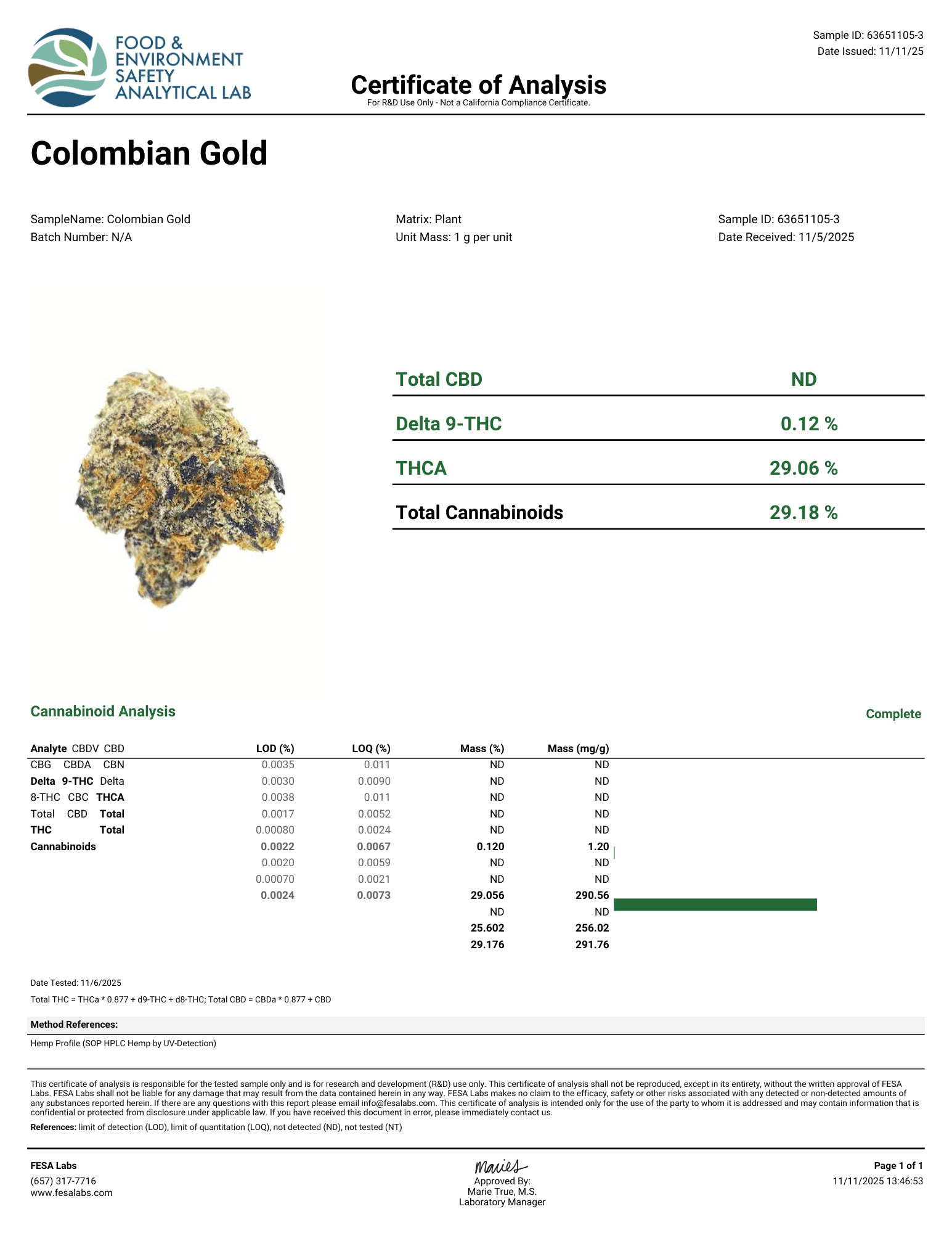
THCa (tetrahydrocannabinolic acid) is the raw, natural form of THC found in the plant before it’s heated. In its original state, THCa is not intoxicating — meaning it won’t get you “high” when consumed raw.
How THCa Works
THCa converts into THC through a process called decarboxylation, which happens when the flower is exposed to heat.
Examples of decarboxylation include:
-
Smoking
-
Vaping
-
Baking or cooking at high temperatures
Once heated, THCa becomes regular THC — the compound known for psychoactive effects.
Key Differences Between THCa and THC
| Feature | THCa | THC |
|---|---|---|
| Psychoactive? | No (in raw form) | Yes |
| Form | Natural acid form found in fresh flower | Activated form after heating |
| How It’s Created | Naturally in the plant | Created when THCa is heated |
| Common Use | Raw consumption, legal loopholes, lab testing | Smoking, vaping, edibles |
Why THCa Matters
-
Legal Advantage: Many states allow THCa products because they only test for Delta-9 THC levels before heating.
-
Full Potency: Once heated, THCa flower delivers the same effects as traditional THC flower.
-
Fresh & Potent: THCa flower is often higher quality because it’s measured in its raw state.






Share:
4 Ways to Start Making $10K on the First Month as a Cannabis Broker